I left Hiroshima for years — lived abroad, came back, and thought I already knew this city. What I found when I returned was that Hiroshima takes longer than you expect. Not because it is complicated, but because it quietly asks something of you. Two days is not enough to answer it. But it is enough to begin.
Day OneThe city, on foot
Begin at the river — before the city wakes
Come to the Ōta river early. Earlier than feels comfortable for a holiday. If you can time it for sunrise, do. The light comes in orange and low over the water, and the city is almost silent. Cyclists pass. Someone walks a dog. The river moves slowly past the willows.
This is not a tourist moment. It is an ordinary Hiroshima morning, and you are briefly part of it. Walk along the bank without a destination in mind. You will find your way to Peace Park naturally — it sits at the fork of the river, and the city gently points you there.
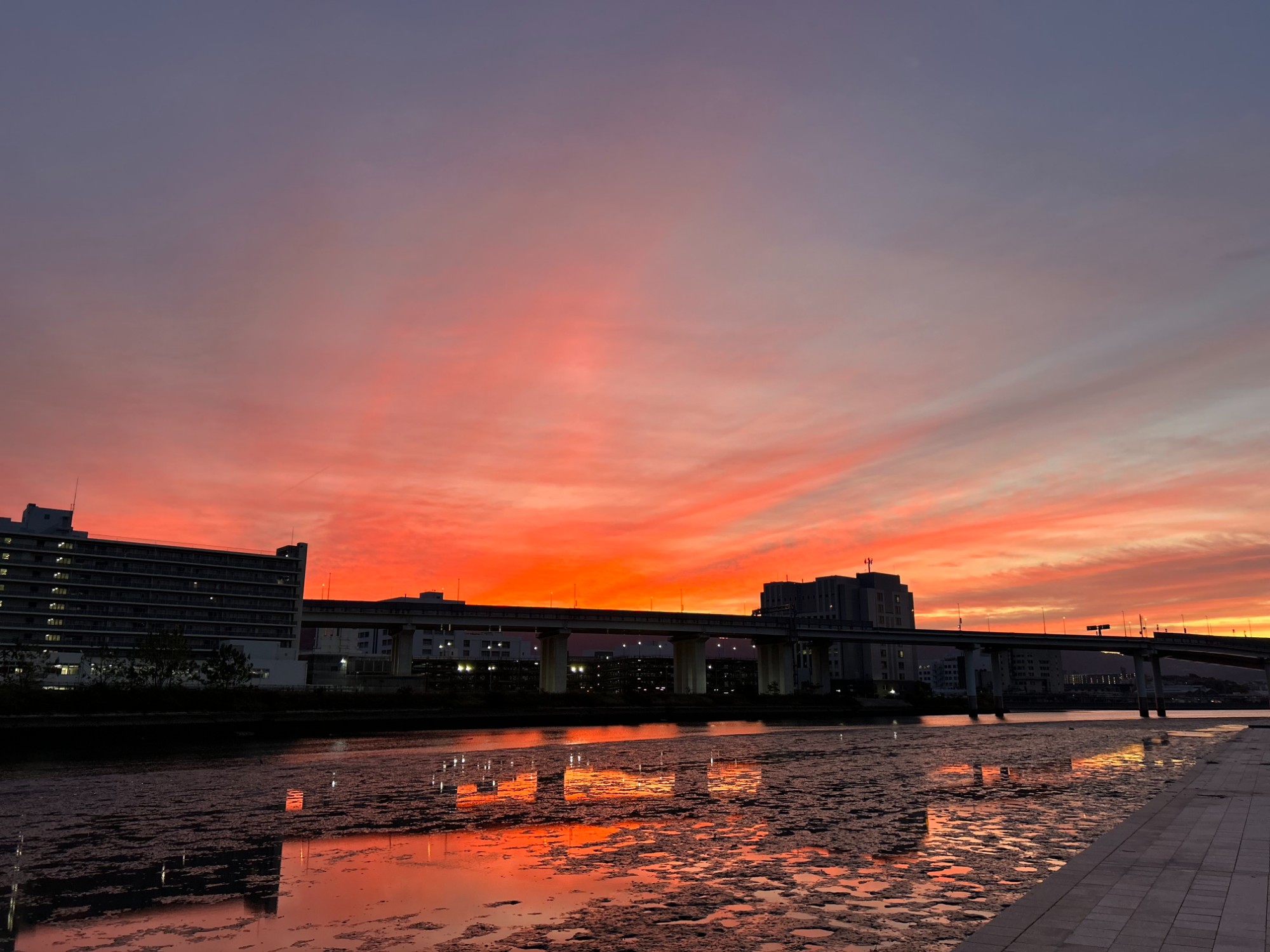
I walk this stretch often, even now. In summer the heat arrives by 8am and the riverside already feels golden. In winter the mist sits low over the water and the city is softer than usual. Any season, it is a good way to begin.
Peace Park — take your time
Most visitors arrive at Peace Park mid-morning when the tour groups are already there. Arriving early changes it. The A-Bomb Dome is almost always quieter before nine. Stand across the river from it. There is nothing else to do but look.
The park itself is not grand or imposing. It is open, planted with trees, crossed by paths. Children come here on school trips. Couples sit on the grass. It is a park that is also a memorial — both things at once, which is very Hiroshima.
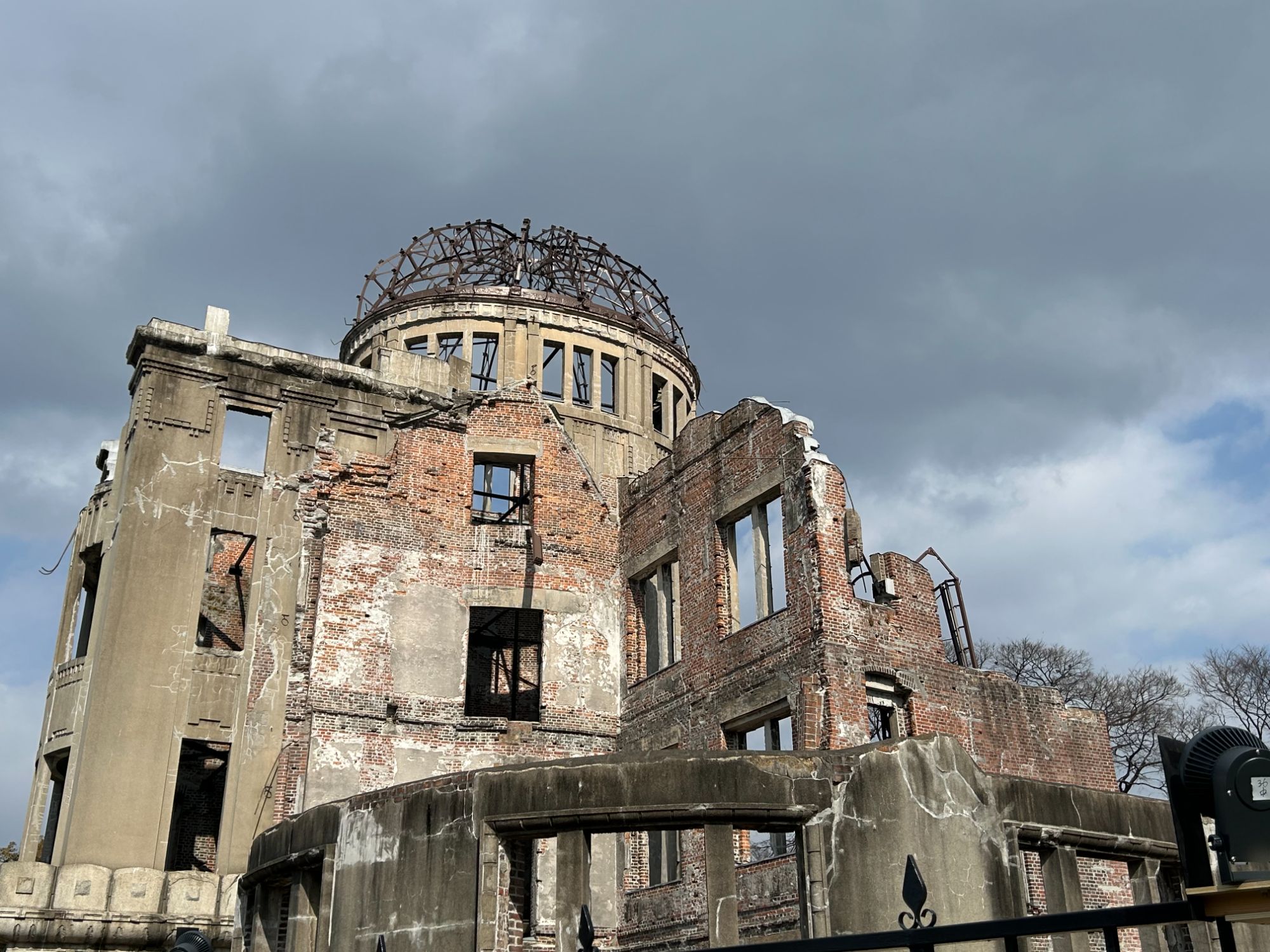
"You do not need to know the exact history to feel that something happened here."
The museum — go slowly
The Hiroshima Peace Memorial Museum sits at the south end of the park. Allow at least two hours. The permanent exhibition walks you through 8:15am on 6 August 1945 and its aftermath in careful, human detail.
Do not rush toward the exit. The final section — letters, personal objects, the stories of individuals — is the part people remember longest. A wristwatch stopped at the exact moment. A child's tricycle. These are not abstract. They were someone's.
I have been inside many times, and it still asks something of me each time. Go in the morning when you have energy for it. When you come out, sit in the park for a while before you move on. The city will still be there.
Peace Memorial Museum — Open daily 8:30am–6pm (until 7pm Jul–Aug, until 8pm Aug 6). Closed 30 Dec–1 Jan.
Cost — Adults ¥200 · High school students ¥100 · Junior high and below: free
Links — hpmmuseum.jp ↗
Afternoon — follow your mood
After the museum, the afternoon belongs to you. Two places worth considering, depending on how you feel.
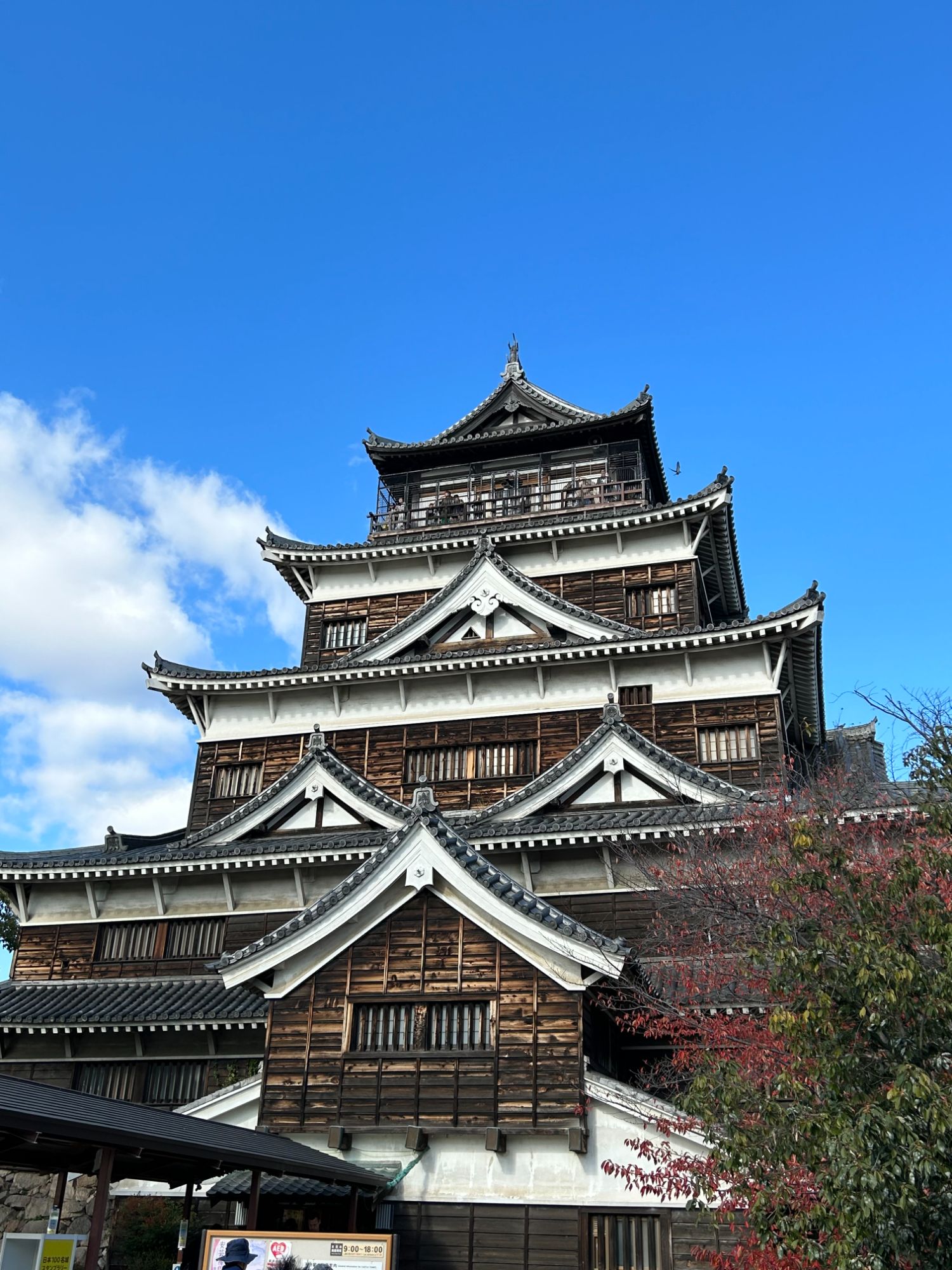
Hiroshima Castle is a short walk north. The original was destroyed in 1945 and the reconstruction is not ancient — but the grounds are wide and calm, and standing where the castle stood gives the morning a different kind of context.
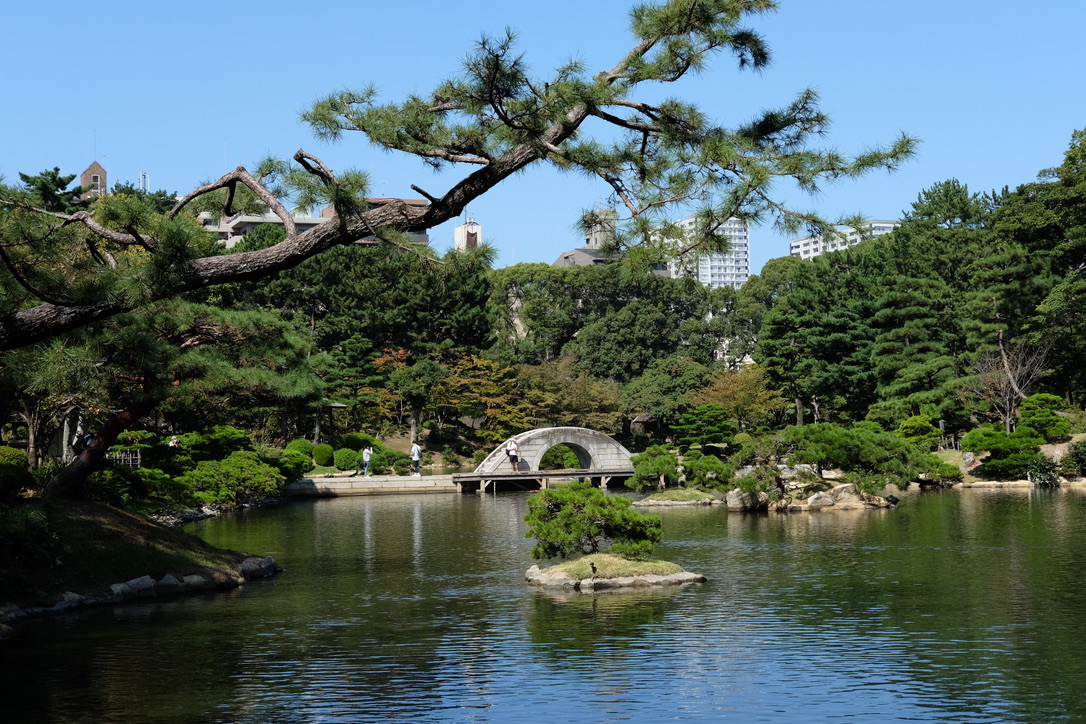
Shukkei-en is a garden, also nearby, originally built in 1620. It was damaged in 1945 and restored. In spring there are plum blossoms; in summer the pond reflects a green that feels almost unreal. It is a quiet place to exhale.
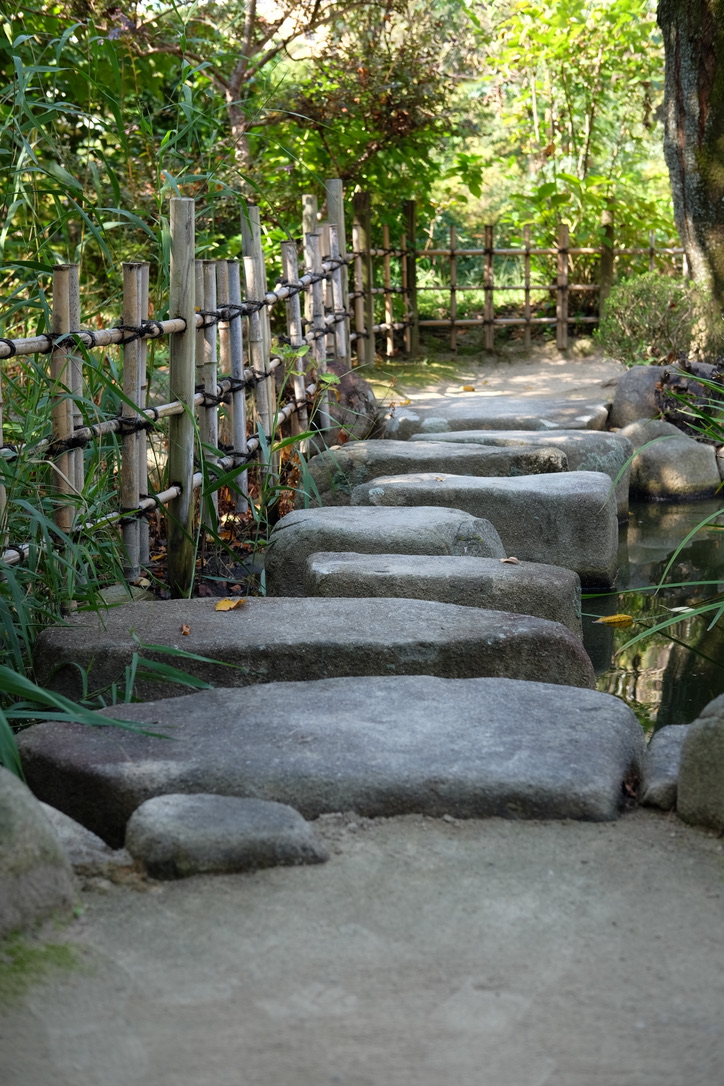
You do not need to do both. One of them, slowly, is better than both in a hurry.
Evening — okonomiyaki
Hiroshima's version of okonomiyaki is layered, not mixed — cabbage, noodles, egg, pork, all built in careful order on the griddle in front of you. It is not like the Osaka version. People here will tell you it is better. They are probably right.
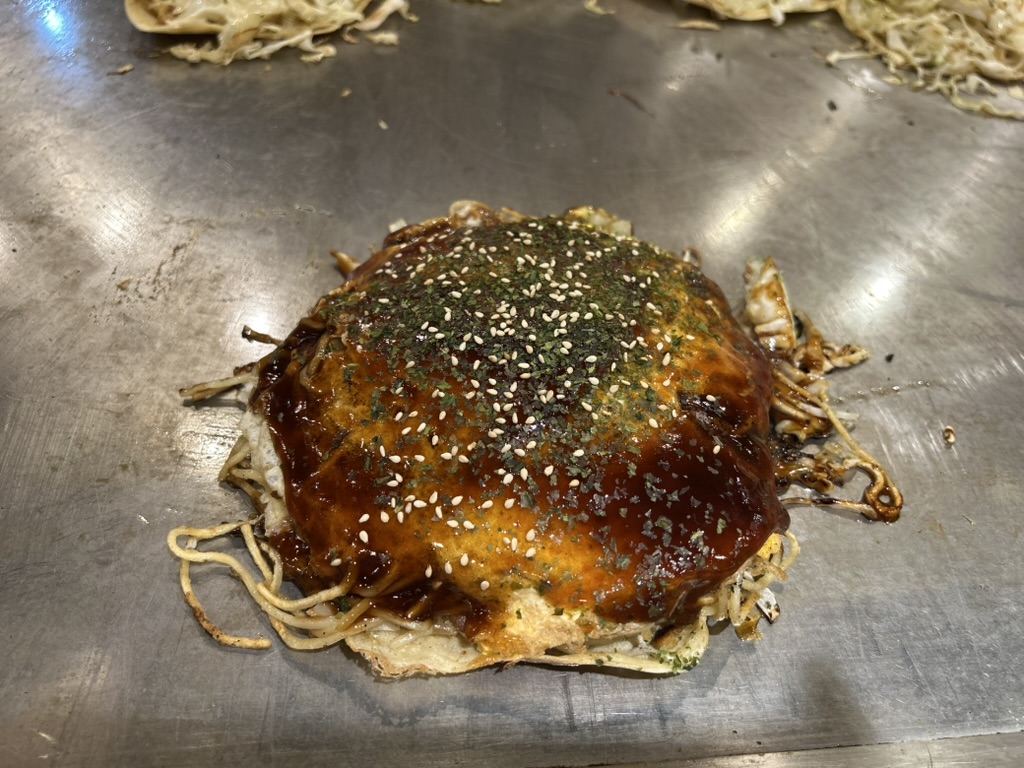
Musashi, near the station, is the local institution. Long queues at peak times, short menu, very good. Go for lunch if you prefer it calm. Go in the evening if you are willing to wait — and wait anyway, because it is worth it.
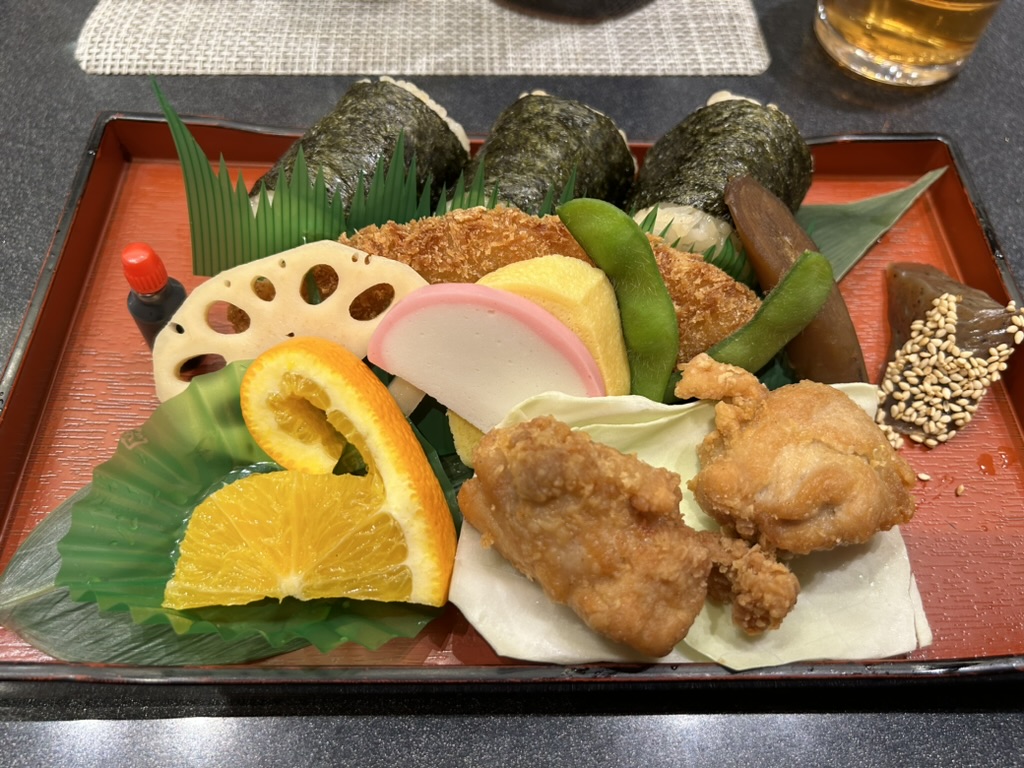
Hiroshima okonomiyaki is a very personal subject here. Everyone has their favourite place. Musashi is the one I send people to first, because it is consistently good and watching it being made is part of the pleasure.
Day TwoMiyajima — go slowly, stay late
Take the JR line from Hiroshima Station to Miyajima-guchi. The journey is about 25 minutes. From the station, a ten-minute ferry crossing takes you to the island. The ferry is included with a JR Pass.
The island is small enough to feel immediately familiar. There are deer. They are not performing wildness — they simply live here alongside everyone else, entirely unimpressed by cameras.
"Most itineraries put Miyajima first. I want to suggest the other order."
Starting with the city — letting its weight land before you see the beauty — changes what Miyajima feels like. What you carry here on Day 2 is different from what you would have carried on Day 1. That difference is the point.
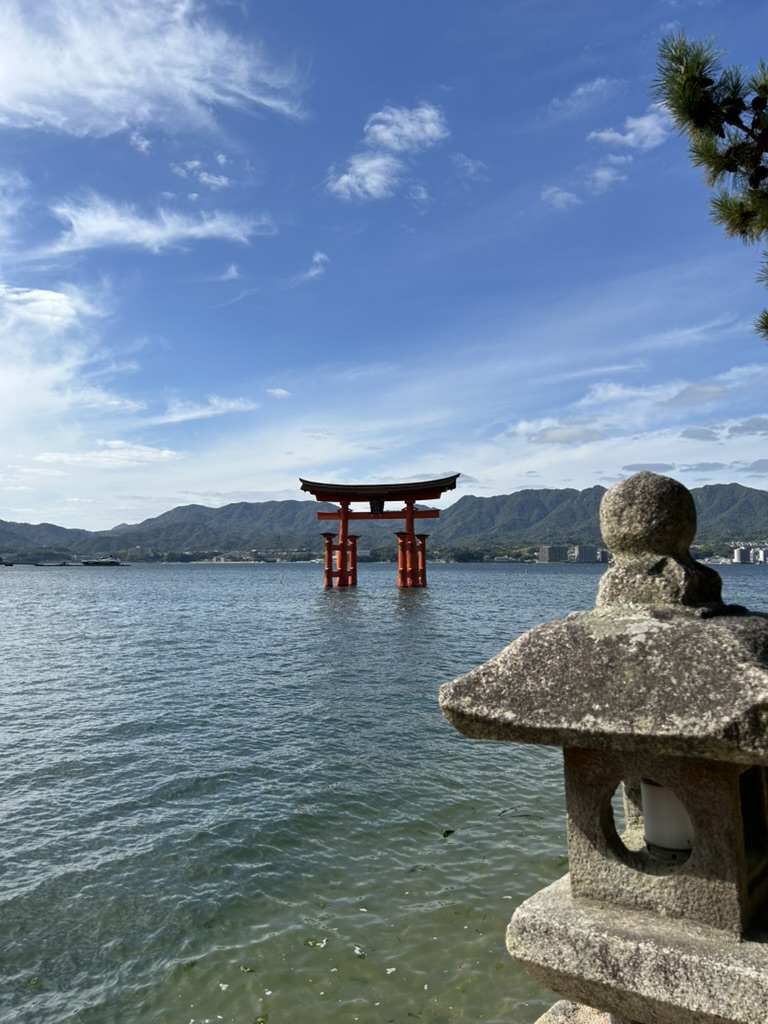
Itsukushima Shrine
The shrine is built over the water so that, at high tide, it appears to float. Check the tide tables before you go — the effect is most striking when the water is high and the torii rises cleanly from the sea. At low tide you can walk out to the base of the gate, which is a different kind of experience — closer, more grounded.
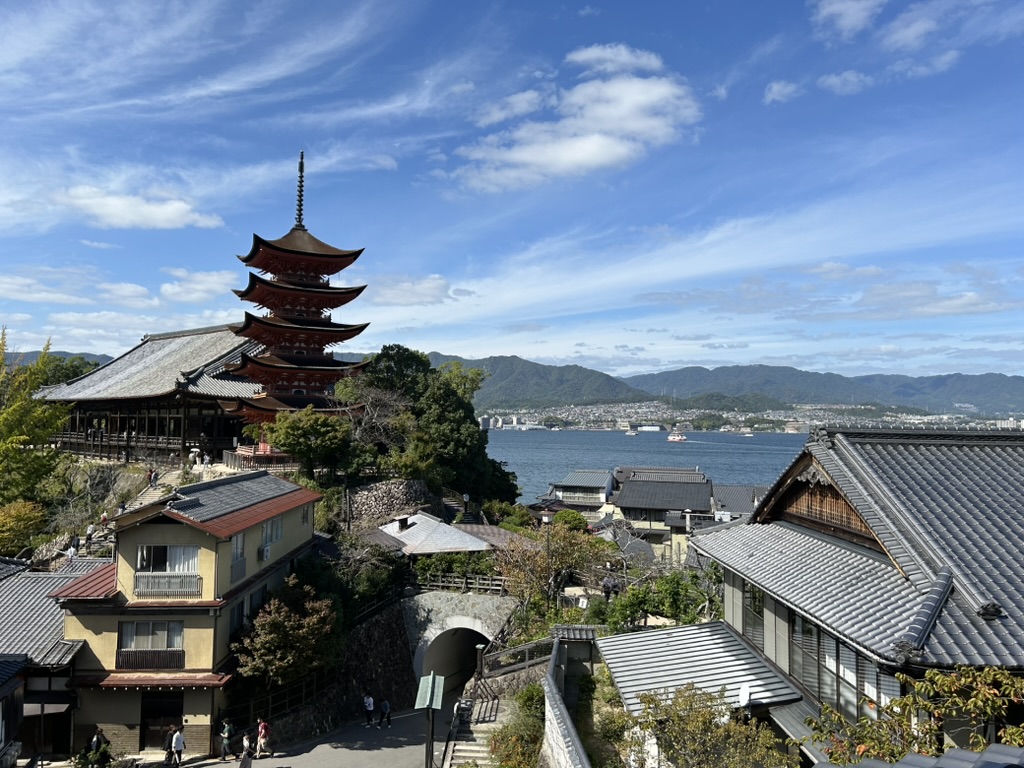
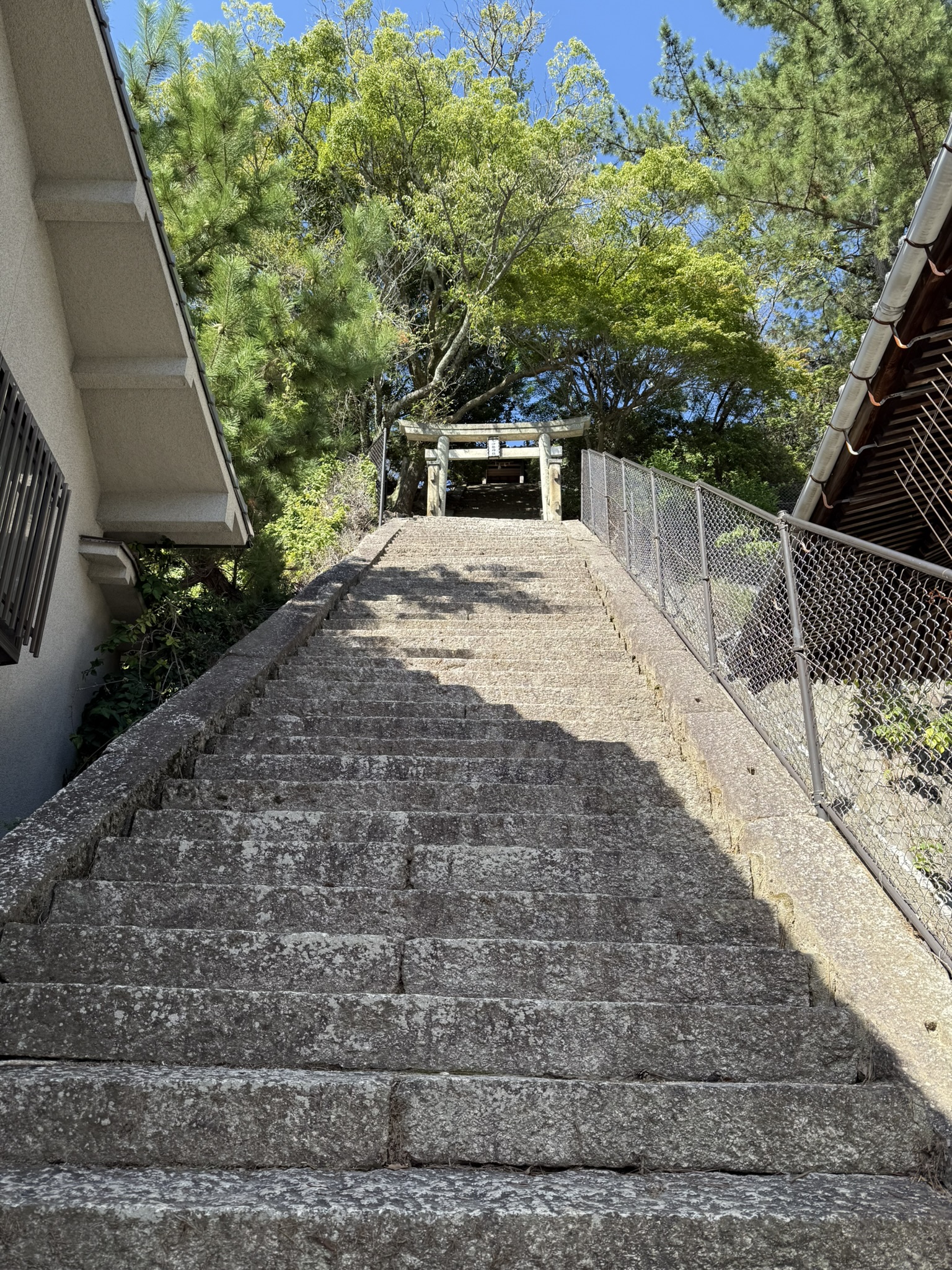
The five-storey pagoda above the shrine is often overlooked because everyone is pointing cameras at the torii. Climb a little higher and look back. The view down over the rooftops to the sea is something the photographs do not prepare you for.
I always check the tide times at miyajima.or.jp ↗ before visiting. High tide near midday or evening makes the most of the shrine. If you can time your visit so that sunset falls while you are still on the island, do everything you can to make that happen.
Lunch — eel, if you are adventurous
Miyajima is known for anago — salt-water eel, different from the freshwater eel (unagi) you may have tried elsewhere. It is softer, more delicate. The traditional preparation is grilled and served over rice in a lacquered box.
If eel is not your thing, the island also has oysters — Hiroshima Prefecture produces most of Japan's oysters, and Miyajima serves them grilled, fresh, and unpretentious.
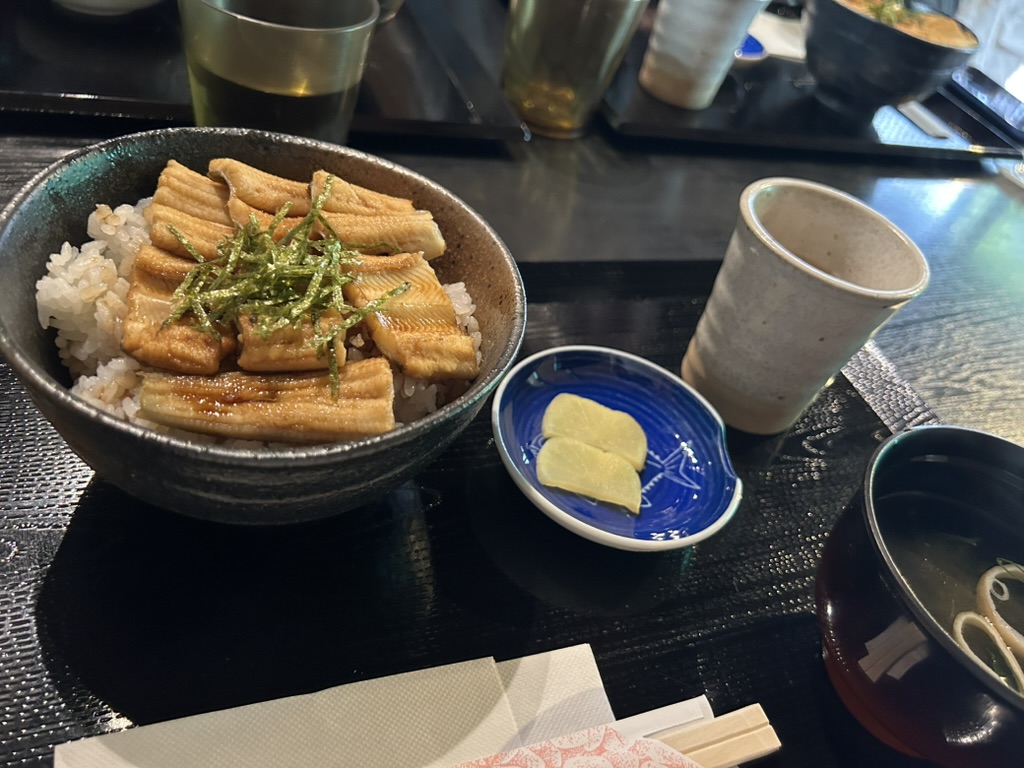
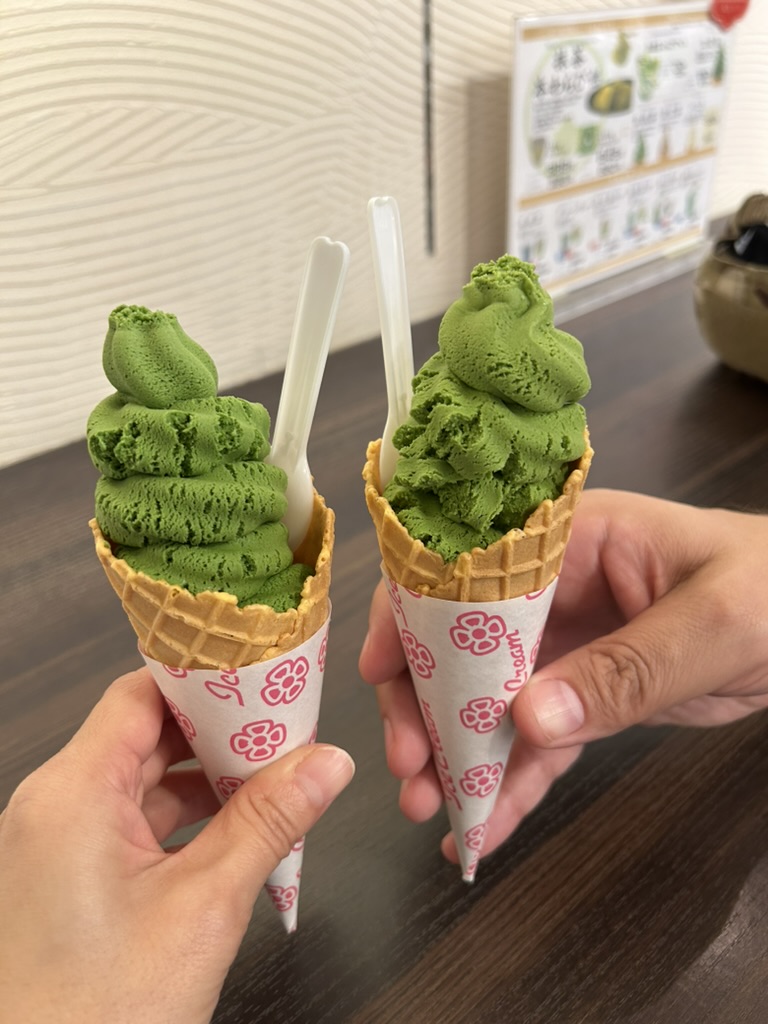
I grew up eating anago and I think it is one of the best things you can eat in this part of Japan. The flavour is subtle — do not expect something dramatic. What it does is taste exactly right for the place and the day you have just had.
Stay for the sunset
Most day-trippers leave by mid-afternoon. If you stay until the ferries are quieter and the light starts to drop, the island becomes a different place. The torii turns amber, then deep red. The sea behind it goes pink, then grey.
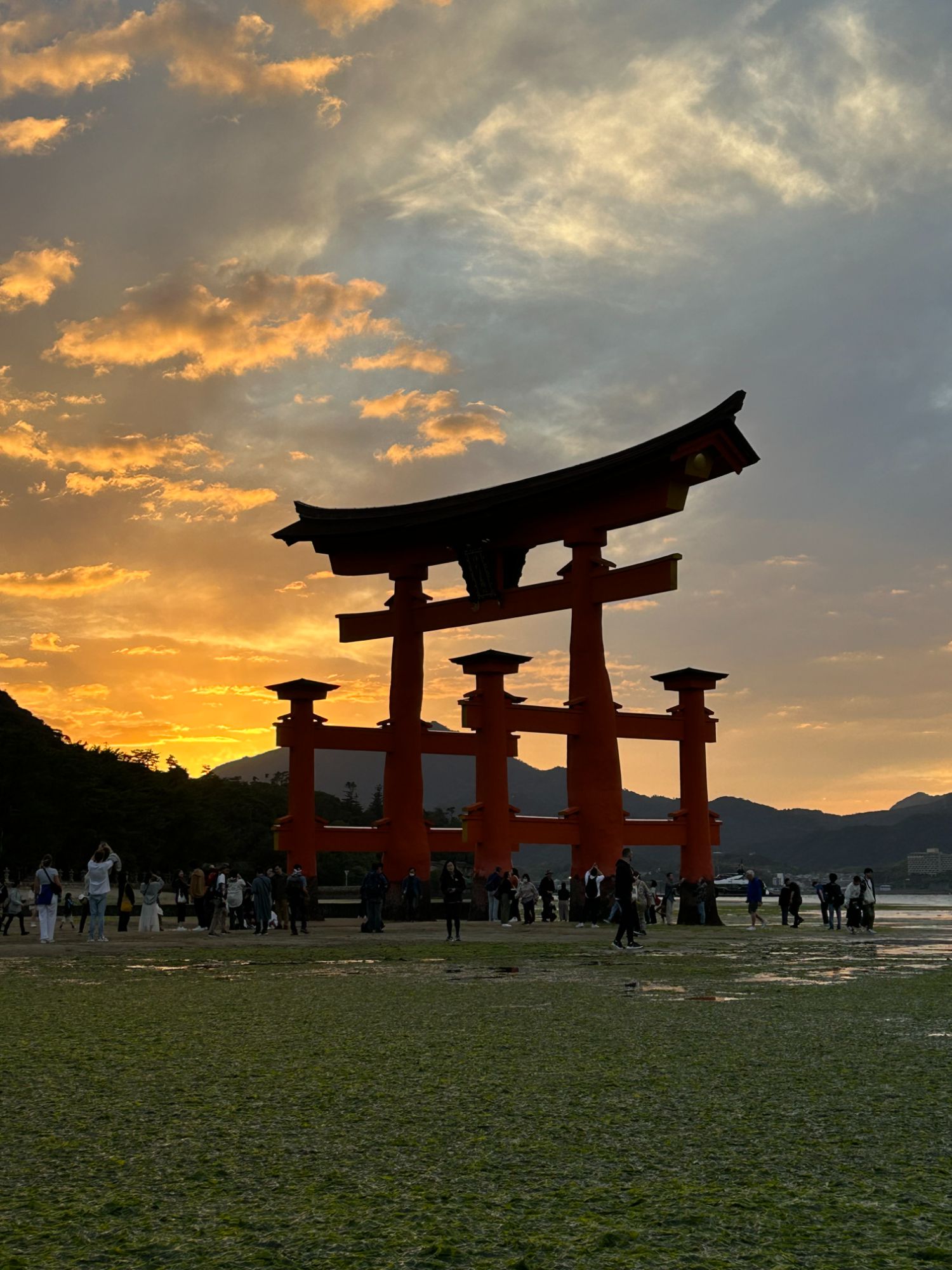
"Stay until the last ferry. You came this far — let the island show you what it looks like when the day ends."
Two days will not be enough. You will leave with a list of things you did not get to — mountain hikes, sake towns, smaller temples, a river walk on a rainy morning. That is not a failure of planning. That is Hiroshima working as it should. Come back. Most people who do say the second visit is the one that changes them.
Ready to go further? Hidden & local Hiroshima →